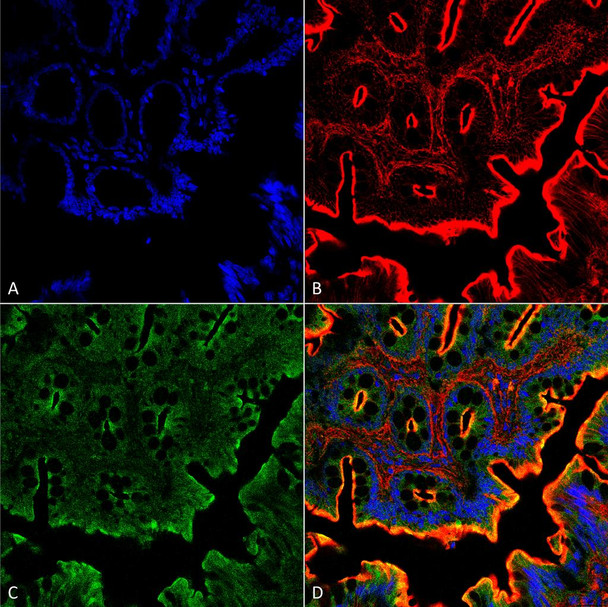
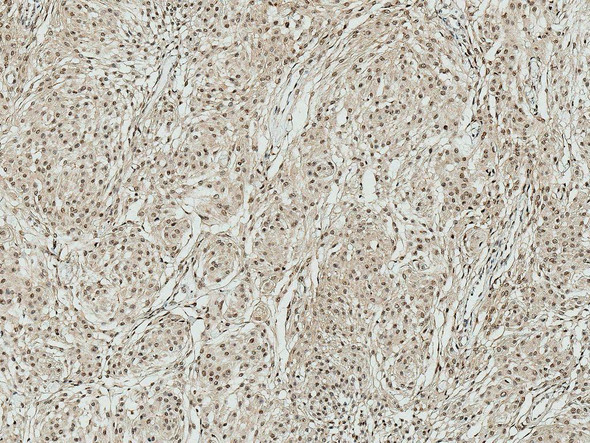
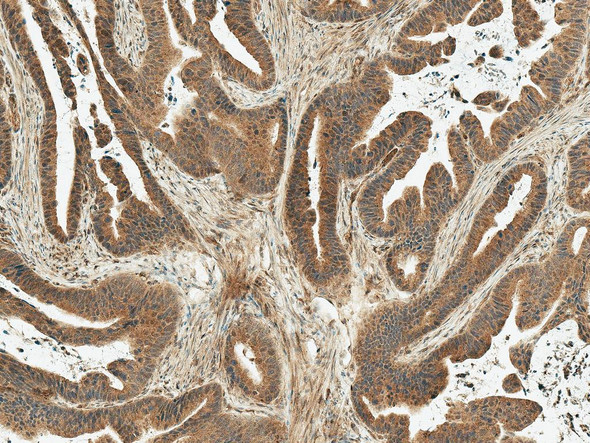
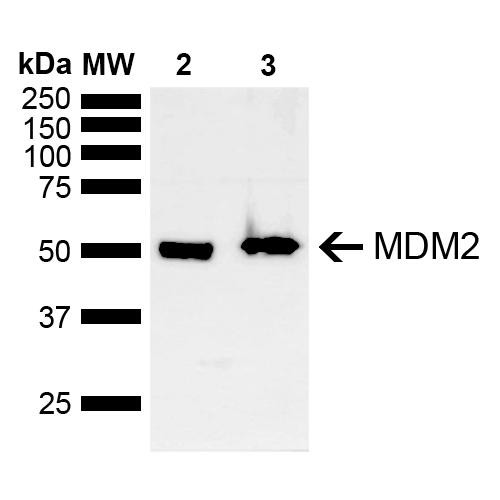
NHE3 Antibody is a rabbit polyclonal antibody directed against NHE3, offered by Assay Genie for research applications. Reported applications include WB, ICC/IF and IHC. Reported reactivity: Rat and Mouse. Purified by Protein A.
Sodium-hydrogen exchanger 3 (NHE3), encoded by SLC9A3, is a membrane-bound transporter that mediates the electroneutral exchange of intracellular H+ for extracellular Na+. While primarily studied in renal and intestinal physiology, emerging evidence suggests NHE3 may influence neurodegenerative processes through its role in pH regulation, ion homeostasis, and cellular signaling. NHE3 is regulated by phosphorylation via kinases such as PKA, SGK1, and CK2, and its dysregulation may contribute to altered neuronal excitability and glial function. Aberrant NHE3 activity could exacerbate neuroinflammation and oxidative stress, both of which are implicated in Alzheimer’s disease and other neurodegenerative disorders. Understanding NHE3’s role in the brain may reveal novel therapeutic targets for modulating ionic balance and neuroinflammatory responses in neurodegeneration. This antibody is also available conjugated to ATTO 390, ATTO 488, ATTO 594, APC, Biotin, FITC, HRP, PerCP and RPE. Supplied in 100 µg. For research use only; not for diagnostic or therapeutic procedures.
Product Name:
NHE3 Antibody
Product SKU:
STPA00044
Size:
100 µg
Target:
NHE3
Host Species:
Rabbit
Antibody Type:
Polyclonal
Research Areas:
Cell Signaling, Neuroscience, Pumps/Transporters, Ion Pumps/Transporters, Cancer
Buffer:
PBS, 50% glycerol, 0.09% sodium azide
Storage & Shipping:
Store at -20°C. Shipped on Blue Ice or 4°C. Conjugated variants should be stored according to the product label.
Format:
Liquid
Applications:
WB, ICC/IF, IHC
Purification:
Protein A Purified
Concentration:
1 mg/ml
Reactivity:
Rat, Mouse
Recommended Dilution:
WB (1:1000); IHC (1:25); optimal dilutions for assays should be determined by the user.
Specificity:
Detects ~84kDa.
Guarantee:
12 months from date of dispatch
Immunogen:
Synthetic peptide mapping to AA 809 to 831 of rat sequence
Immunogen Species:
Rat
Accession Number:
NP_036786
Gene ID:
24784
Swiss-Prot:
P26433
Cellular Localization:
Membrane
Tissue Specificity:
Most abundant in colon and small intestine, followed by kidney and stomach. In kidney, expressed in proximal tubules and outer medulla (at protein level)
Alternative Names:
Sodium / Hydrogen Exchanger 3, SLC9A3, Na+/H+ exchanger 3, isoform 3, Solute carrier family 9 member 3, NHE3MGC126720, MGC126718, solute carrier family 9 (sodium/hydrogen exchanger) member 3, NHE-3, Na(+)/H(+) exchanger 3, Sodium/hydrogen exchanger 3
References:
1. Kim G.H., Ecelbarger C.A., Knepper M.A. and Packer R.K. (1999) J Am Soc Nephrol. 10: 935-942. 2. Dynia D.W., Steinmetz A.G. and Kocinsky H.S. (2010) Am J Physoil Renal Physiol. 298(3): F745-F753.