HIF-1 alpha Antibody [ESEE122] is a mouse monoclonal antibody directed against HIF-1 alpha, offered by Assay Genie for research applications. Reported applications include WB, IHC, ICC/IF and ELISA. Reported reactivity: Human, Mouse, Rat and Bovine. Supplied as IgG1, purified by Protein G.
Hypoxia-inducible factor 1-alpha (HIF-1α) is a transcription factor that orchestrates cellular responses to low oxygen conditions. It regulates the expression of genes involved in angiogenesis, metabolism, and survival, making it a key player in adapting to hypoxic stress. In the brain, HIF-1α is activated under conditions of ischemia, inflammation, and mitochondrial dysfunction—hallmarks of many neurodegenerative diseases. Its activation promotes neuroprotective pathways, including increased glucose uptake, erythropoietin production, and vascular endothelial growth factor (VEGF) expression, which support neuronal survival and tissue repair. However, chronic or dysregulated HIF-1α signaling can contribute to pathological processes such as gliosis, blood-brain barrier disruption, and metabolic imbalance. In Alzheimer’s and Parkinson’s disease, altered HIF-1α activity has been linked to both protective and detrimental outcomes, depending on disease stage and cellular context. As a central regulator of the hypoxic response, HIF-1α represents a promising therapeutic target for modulating neuroinflammation, oxidative stress, and energy metabolism in neurodegenerative disorders. This antibody is also available conjugated to ATTO 390, ATTO 488, ATTO 594, APC, Biotin, FITC, HRP, PerCP and RPE. Supplied in 100 µg. For research use only; not for diagnostic or therapeutic procedures.
Product Name:
HIF-1 alpha Antibody [ESEE122]
Product SKU:
STMA00049
Size:
100 µg
Target:
HIF-1 alpha
Host Species:
Mouse
Antibody Type:
Monoclonal
Clone ID:
ESEE122
Research Areas:
Cancer, Oxidative Stress, Cell Signaling, Epigenetics and Nuclear Signaling
Buffer:
PBS pH7.4, 50% glycerol, 0.09% sodium azide
Storage & Shipping:
Store at -20°C. Shipped on Blue Ice or 4°C. Conjugated variants should be stored according to the product label.
Format:
Liquid
Applications:
WB, IHC, ICC/IF, ELISA
Antibody Isotype:
IgG1
Purification:
Protein G Purified
Concentration:
1 mg/ml
Reactivity:
Human, Mouse, Rat, Bovine
Recommended Dilution:
WB (1:1000), IHC (1:100), ICC/IF (1:50); optimal dilutions for assays should be determined by the user.
Specificity:
Detects ~116kDa. Specific for HIF1Alpha.
Guarantee:
12 months from date of dispatch
Immunogen:
Mouse recombinant fragment corresponding to amino acids 329-530
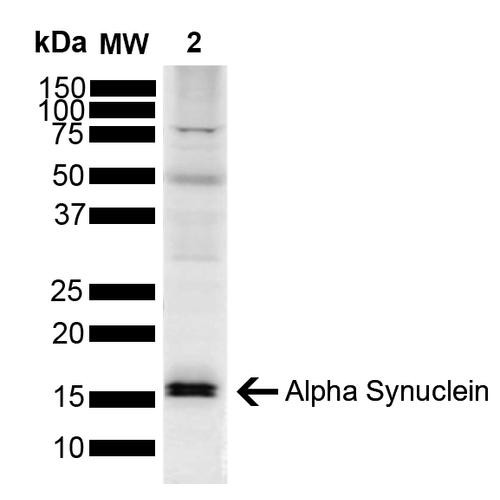
Alpha Synuclein AntibodyAlpha Synuclein Antibody is a rabbit polyclonal antibody directed against Alpha Synuclein, offered by Assay Genie for research applications. Reported applications include WB,...





![Anti-HIF Prolyl Hydroxylases [R06-1B0] Monoclonal Antibody (AGMB00179)](https://cdn11.bigcommerce.com/s-rd6ounxcu2/images/stencil/590x590/products/112128/126178/anti-hif-prolyl-hydroxylases-r06-1b0-monoclonal-antibody-agmb00179__05513__16384.1786836545.jpg?c=1 "Anti-HIF Prolyl Hydroxylases [R06-1B0] Monoclonal Antibody (AGMB00179)")