
Anti-Citrulline Antibody [2D3.1]

- SKU:
- STMA00173
- Antibody Type:
- Recombinant Monoclonal
- Applications:
- WB
- Applications:
- ICC/IF
- Applications:
- ELISA
- Applications:
- IHC
- Reactivity:
- Species Independent
- Host Species:
- Mouse
- Isotype:
- IgG1


Description
Citrulline Antibody [2D3.1]
Citrulline Antibody [2D3.1] is a mouse recombinant monoclonal antibody directed against Citrulline, offered by Assay Genie for research applications. Reported applications include WB, ICC/IF, ELISA and IHC. Reactivity is species independent. Supplied as IgG1, purified by Protein G.
Citrulline is a non-essential, non-proteinogenic amino acid that plays a central role in the urea cycle and nitric oxide (NO) metabolism. In the brain, citrulline is produced as a byproduct of nitric oxide synthase (NOS) activity, particularly neuronal NOS (nNOS), which converts arginine into NO and citrulline. This positions citrulline as both a biomarker and a functional participant in NO signaling—a pathway critical for synaptic plasticity, neurovascular regulation, and memory formation. In neurodegenerative disease contexts, citrulline has garnered attention for its antioxidant and neuroprotective properties. It enhances NO bioavailability without promoting the formation of reactive nitrogen species, thereby supporting cerebral blood flow and reducing oxidative stress. Supplementation with citrulline has been shown to improve cognitive performance in aging models, likely through improved mitochondrial function and reduced neuroinflammation. Citrulline also contributes to ammonia detoxification and may help mitigate excitotoxicity, a key driver of neuronal injury in conditions such as Alzheimer’s disease, Parkinson’s disease, and amyotrophic lateral sclerosis (ALS). Its ability to modulate metabolic and redox homeostasis makes it a promising candidate for therapeutic development. As a naturally occurring compound with favorable safety and pharmacokinetic profiles, citrulline represents a compelling target for interventions aimed at preserving cognitive function and slowing neurodegenerative progression. This antibody is also available conjugated to ATTO 390, ATTO 488, ATTO 594, APC, Biotin, FITC, HRP, PerCP and RPE. Supplied in 100 µg. For research use only; not for diagnostic or therapeutic procedures.
| Product Name: | Citrulline Antibody [2D3.1] |
| Product SKU: | STMA00173 |
| Size: | 100 µg |
| Target: | Citrulline |
| Host Species: | Mouse |
| Antibody Type: | Recombinant Monoclonal |
| Clone ID: | 2D3.1 |
| Research Areas: | Cell Signaling, Post-translational Modifications, Citrullination |
| Buffer: | PBS pH7.4, 50% glycerol, 0.09% sodium azide |
| Storage & Shipping: | Store at -20°C. Shipped on Blue Ice or 4°C. Conjugated variants should be stored according to the product label. |
| Format: | Liquid |
| Applications: | WB, ICC/IF, ELISA, IHC |
| Antibody Isotype: | IgG1 |
| Purification: | Protein G Purified |
| Concentration: | 1 mg/ml |
| Reactivity: | Species Independent |
| Recommended Dilution: | WB (1:1000); ICC/IF (1:50); ELISA (1:1000); IHC (1:100); optimal dilutions for assays should be determined by the user. |
| Specificity: | Specific for citrulline residues on modified proteins. Tested using citrulline conjugated Bovine Serum Albumin (BSA). |
| Guarantee: | 12 months from date of dispatch |
| Immunogen: | Synthetic L-Citrulline conjugated to Keyhole Limpet Hemocyanin (KLH). |
| Alternative Names: | L-Citrulline, 2-Amino-5-(carbamoylamino)pentanoic acid, Citrulline, Citrulline-modified protein, ACPA, Anti-citrullinated protein antibodies, Anti-citrullinated protein, Modified Citrulline, Citrulline-containing protein, Citrullinated protein |
| Note: | For research use only. |
Related Products

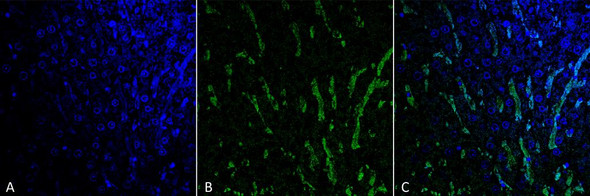
Anti-Citrulline Antibody [6C2.1]
Human ACCPA (anti-cyclic citrullinated peptide antibody) ELISA Kit (AEKE11778)
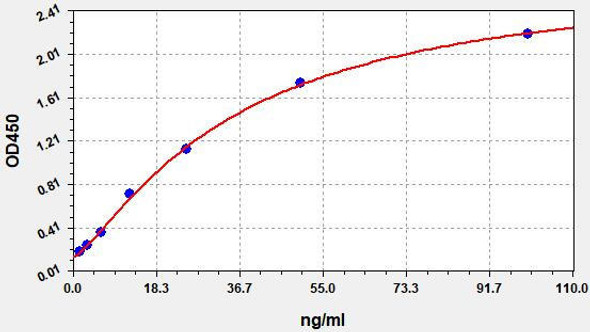
Monkey ACCPA (anti-cyclic citrullinated peptide antibody) ELISA Kit (AEFI00499)

Mouse ACCPA (Anti-Cyclic Citrullinated Peptide Antibody) ELISA Kit (AEKE03492)
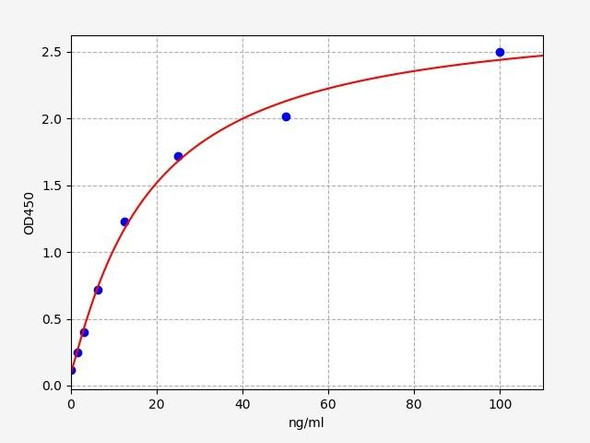
Mouse ACCPA/anti-cyclic citrullinated peptide antibody ELISA Kit (MOFI00163)
Mouse Cell Signalling ELISA Kits 5